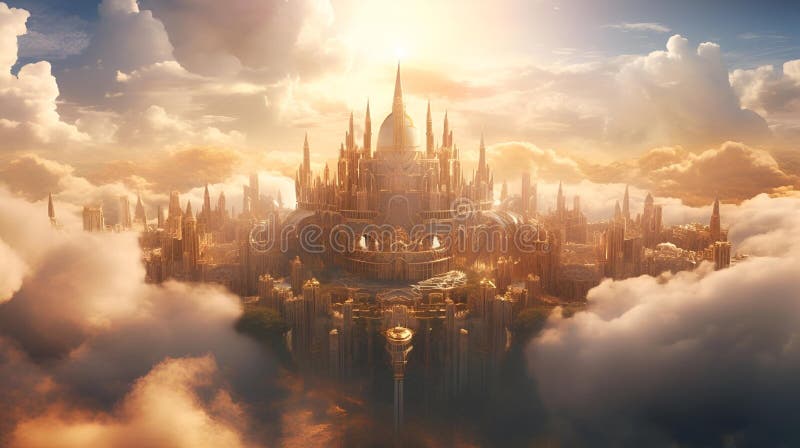
Choosing the right approach to exploring images of the heavenly kingdom starts with clear context, practical filters, and realistic expectations.
Introduction to the Heavenly Kingdom
The concept of the heavenly kingdom has been a cornerstone of religious belief and artistic expression for centuries. Images of the heavenly kingdom have been used to convey the beauty, peace, and glory of the afterlife, inspiring hope and devotion in believers. From intricate medieval manuscripts to modern digital artwork, these images have evolved over time, reflecting changing cultural and theological perspectives.
Historical Development of Heavenly Kingdom Imagery
The depiction of the heavenly kingdom in art has its roots in early Christian iconography. Artists drew upon biblical descriptions of heaven, such as the Book of Revelation, to create vivid and often symbolic representations of the divine realm. As Christianity spread throughout Europe, images of the heavenly kingdom became a staple of medieval art, adorning cathedrals, illuminated manuscripts, and devotional artifacts.
Influence of Byzantine Art
Byzantine art, with its characteristic use of gold leaf, mosaics, and ornate patterns, had a profound impact on the development of heavenly kingdom imagery. Byzantine artists often depicted Christ in majesty, surrounded by saints, angels, and other celestial beings, creating a sense of awe and reverence in the viewer.
Symbolism in Heavenly Kingdom Images
Images of the heavenly kingdom are rich in symbolism, drawing upon a wide range of biblical and theological themes. Common symbols include:
- The cross, representing Christ's sacrifice and redemption
- The lamb, symbolizing innocence and purity
- The dove, signifying the Holy Spirit and divine guidance
- The crown, representing the sovereignty and majesty of God
- The river of life, flowing from the throne of God, symbolizing eternal life and spiritual nourishment
Cultural Impact of Heavenly Kingdom Imagery Images of the heavenly kingdom have had a profound
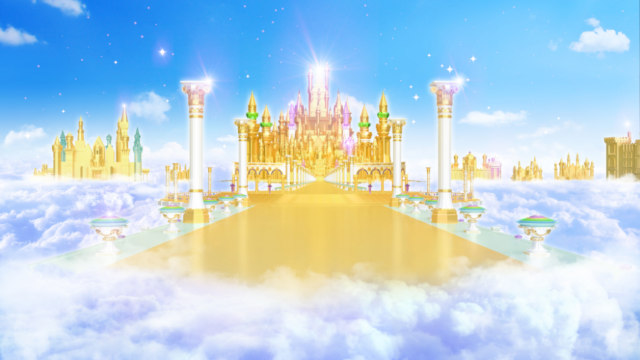
cultural impact, influencing art, literature, music, and film. From Dante's Divine Comedy to modern sci-fi epics, the concept of the heavenly kingdom has inspired some of the most iconic and enduring works of human creativity.
Artistic Interpretations Artists have long been fascinated by the heavenly kingdom, interpreting its imagery in diverse and innovative ways. From the dreamlike landscapes of William Blake to the surreal visions of Salvador Dali, the heavenly kingdom has been a boundless source of inspiration for
artistic expression.
Practical Applications of Heavenly Kingdom Imagery Images of the heavenly kingdom can have a profound impact on our spiritual lives, providing a window into the divine realm and inspiring us to cultivate a deeper sense of faith and devotion. Here are some
practical ways to engage with heavenly kingdom imagery:
- Meditate on images of the heavenly kingdom, reflecting on their symbolism and significance
- Use heavenly kingdom imagery in worship and devotion, such as in prayer or hymnody
- Create your own artwork inspired by the heavenly kingdom, exploring its themes and symbols
Limitations and Controversies
While images of the heavenly kingdom can be powerful tools for spiritual growth and inspiration, they can also be subject to interpretation and controversy. Some critics argue that these images can be overly sentimental or literal, failing to capture the complexity and mystery of the divine realm. Others contend that heavenly kingdom imagery can be exclusivist or triumphalist, reinforcing narrow theological or cultural perspectives.
Comparison with Other Spiritual Imagery
Images of the heavenly kingdom can be compared and contrasted with other forms of spiritual imagery, such as depictions of the afterlife in non-Christian traditions. For example:

- In Islamic art, the afterlife is often depicted as a lush and beautiful garden, inhabited by the righteous and the blessed
- In Buddhist art, the afterlife is often represented as a realm of enlightenment and liberation, free from suffering and attachment
- In Hindu art, the afterlife is often depicted as a cycle of rebirth and reincarnation, governed by the laws of karma and dharma
Conclusion
Images of the heavenly kingdom offer a unique window into the divine realm, inspiring hope, devotion, and spiritual growth.
By exploring their history, symbolism, and cultural impact, we can deepen our understanding of these powerful and enduring images, and cultivate a more profound appreciation for the beauty and mystery of the heavenly kingdom.
FAQs
- What is the significance of the heavenly kingdom in Christian theology?
- The heavenly kingdom is a central concept in Christian theology, representing the ultimate destiny of believers and the realization of God's kingdom on earth.
- How have images of the heavenly kingdom evolved over time?
- Images of the heavenly kingdom have evolved significantly over time, reflecting changing cultural, theological, and artistic perspectives.
- What are some common symbols used in heavenly kingdom imagery?
- Common symbols include the cross, the lamb, the dove, the crown, and the river of life.
- How can I use heavenly kingdom imagery in my spiritual practice?
- You can meditate on images of the heavenly kingdom, use them in worship and devotion, or create your own artwork inspired by these themes.
- What are some limitations and controversies surrounding heavenly kingdom imagery?
- Some critics argue that these images can be overly sentimental or literal, failing to capture the complexity and mystery of the divine realm.
- How do images of the heavenly kingdom compare with other forms of spiritual imagery?
- Images of the heavenly kingdom can be compared and contrasted with other forms of spiritual imagery, such as depictions of the afterlife in non-Christian traditions.
- What is the cultural impact of heavenly kingdom imagery?
- Images of the heavenly kingdom have had a profound cultural impact, influencing art, literature, music, and film.

:max_bytes(150000):strip_icc():focal(708x143:710x145)/malcolm-in-the-middle-reboot-erik-per-sullivan-justin-berfield-frankie-munz-bryan-cranston-032625--69ee6fe5baf540728c7160a7edb892cf.jpg)