:max_bytes(150000):strip_icc():focal(708x143:710x145)/malcolm-in-the-middle-reboot-erik-per-sullivan-justin-berfield-frankie-munz-bryan-cranston-032625--69ee6fe5baf540728c7160a7edb892cf.jpg)
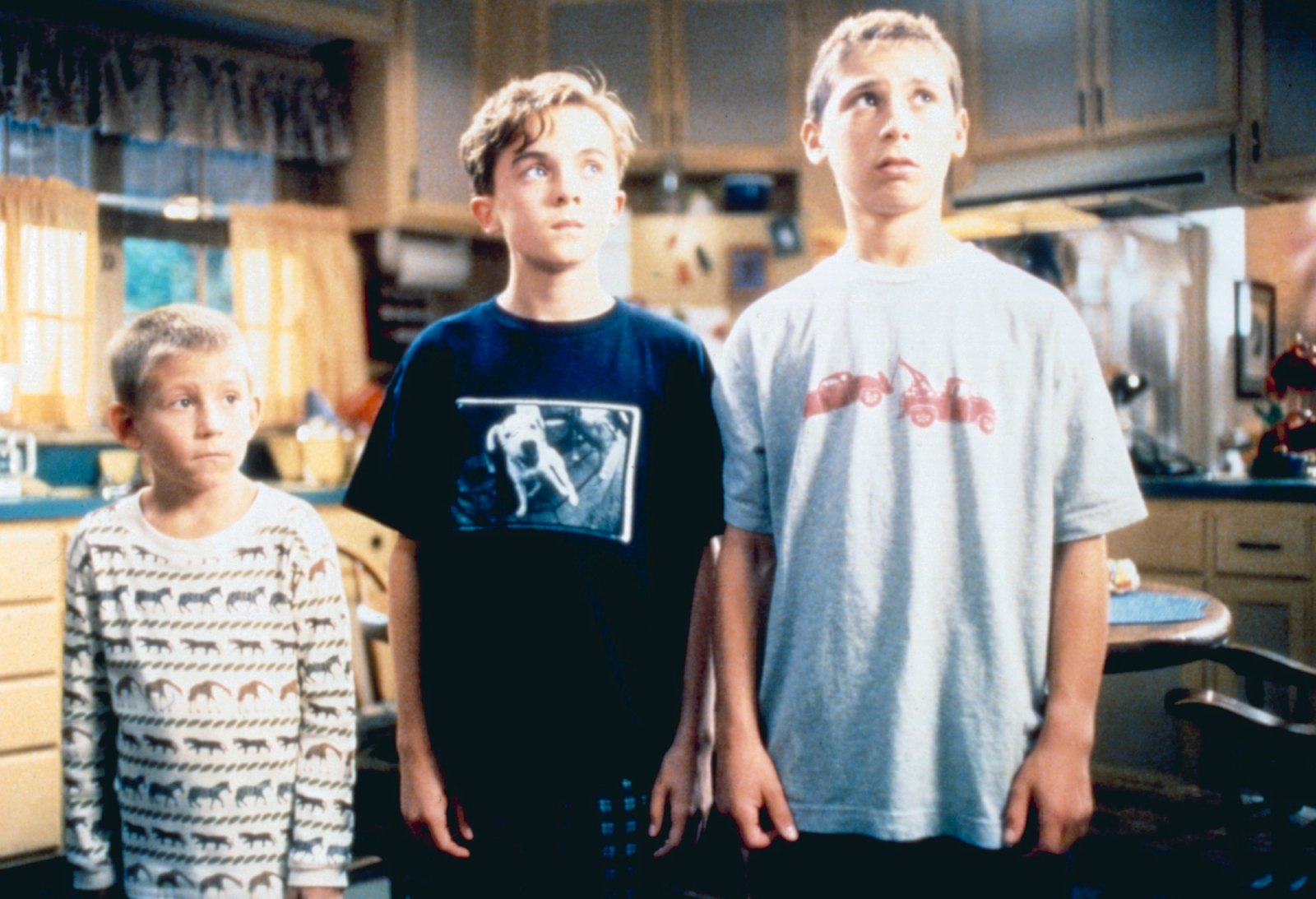
The Malcolm in the Middle revival was meant to be a nostalgic victory lap — a chance for fans to reunite with the dysfunctional, brilliant Wilkerson family. But instead of celebration, it sparked controversy, discomfort, and a growing sense of ethical unease in how Hollywood treats former child stars. At the heart of it? Justin Berfield’s candid regret over pushing for Erik Per Sullivan’s return — and the unintended consequence of dragging a man who had deliberately stepped away from fame back into the spotlight.
The Weight of a Legacy That Won’t Let Go
Malcolm in the Middle defined early 2000s television. Its hyperactive energy, dark humor, and fearless portrayal of working-class American family life made it a standout. The show launched the careers of Frankie Muniz, Jane Kaczmarek, Bryan Cranston — and yes, Justin Berfield as Reese, the volatile yet weirdly lovable older brother.
But Erik Per Sullivan, who played Dewey, was different. While others embraced the industry’s momentum, Sullivan quietly exited Hollywood after the show ended in 2006. He enrolled at NYU, pursued film studies, and deliberately distanced himself from acting. For over a decade, he lived a private life — one devoid of red carpets, interviews, or social media presence.
When talk of a revival surfaced in recent years, excitement from fans was immediate. But so was concern: What about Dewey? What about Erik?
Berfield’s Role in Revival Talks — and His Regret
Justin Berfield was among the most vocal proponents of a Malcolm revival. In multiple interviews, he expressed enthusiasm about reuniting the cast, often name-checking Sullivan as essential to the show’s authenticity. “Dewey was the heart,” Berfield said in one 2022 podcast appearance. “You can’t do this without Erik.”
That sentiment, while well-intentioned, carried immense weight. It wasn’t just a casual comment — it became media headlines: “Justin Berfield Says Erik Per Sullivan Must Return for Malcolm Revival.”
Fans began speculating, digging, and, in some cases, demanding. Sullivan’s name trended. Old interviews were unearthed. Paparazzi-style guesses about his whereabouts resurfaced. The man who had spent 15 years avoiding attention was suddenly being discussed like a missing piece of a puzzle everyone was entitled to solve.
Then, quietly, Berfield changed his tone. In a 2023 interview with The Hollywood Reporter, he admitted:
“I realize now that my comments put pressure on Erik in a way I never meant to. I love Dewey. I love that character. But Erik isn’t Dewey. He’s a private person who made a conscious choice. I regret that my excitement may have undermined that.”
It was a rare moment of accountability — one that cut through the usual noise of Hollywood nostalgia. Berfield wasn’t just apologizing; he was acknowledging a systemic issue: the assumption that fame is permanent, and that former child stars owe the public a comeback.
Why Sullivan’s Privacy Matters
Erik Per Sullivan didn’t disappear because he failed. He stepped away because he chose a different life. That distinction is often lost in celebrity culture, where silence is interpreted as tragedy and absence as invitation.
:max_bytes(150000):strip_icc():focal(728x145:730x147)/malcolm-in-the-middle-reboot-justin-berfield-erik-per-sullivan-frankie-munz-bryan-cranston-032625-ba641070781e4402978a76b2ed030e7c.jpg)
Sullivan graduated from NYU with a degree in film production. He’s worked behind the scenes in the industry — not as an actor, but as someone shaping stories without being the story. He’s never requested pity, attention, or rehabilitation. He’s simply lived.
Yet the revival push turned his privacy into a public debate. Articles questioned why he wasn’t “healing” in front of cameras. Comment sections speculated about mental health, addiction, or regret. None of it was true. None of it was relevant.
The irony? Dewey, the character, was often the quiet observer in a family of chaos. Sullivan, the person, has become that observer in real life — watching from the sidelines as people dissect his choices, his face, his silence.
The Ethics of Revivals in the Streaming Era
Malcolm in the Middle is not alone. In the age of reboots, streaming libraries crave recognizable IP. Full House became Fuller House. The Office flirted with a sequel. Even shows with conclusive endings are being reassembled like broken toys glued back together.
But revivals have a cost — especially when they involve actors who left not out of failure, but by choice.
Consider: - Risky to assume availability. Just because someone can return doesn’t mean they want to. - Public pressure is coercion. When stars publicly advocate for a co-star’s return, it creates an invisible burden. - Nostalgia favors the visible. The actors who stayed in the public eye benefit most from revivals; those who stepped away are either excluded or forced into a narrative of “redemption.”
Berfield’s regret highlights a shift — one where cast members are starting to recognize that reunion isn’t always joyful. For some, it’s an intrusion.
What the Industry Gets Wrong About Former Child Stars
Hollywood loves to mythologize the “lost child star” — the one who faded, fell, or vanished. It’s a trope that sells stories, fuels documentaries, and justifies unwarranted attention. But it’s also deeply reductive.
Erik Per Sullivan is not lost. He’s not broken. He’s not a cautionary tale. He’s a man who exercised agency.
Other former child actors have faced similar scrutiny: - Rory Culkin stepped back from fame in his teens, only to return on his own terms — not as a spectacle, but as a working actor in indie films. - Kelsey Mulrooney, who played Kevin’s friend in Home Alone, left acting and became a teacher. She rarely gives interviews — and that’s by design. - Haley Joel Osment has continued acting but has spoken openly about the challenges of transitioning from child stardom, emphasizing the need for boundaries.
The pattern is clear: when actors exit the spotlight, they do so for reasons that are personal, valid, and not up for public debate.
Yet, the narrative persists — that fame is a birthright, and walking away is a failure. Berfield’s regret is significant because it challenges that narrative. He’s not saying the revival shouldn’t happen; he’s saying that no one should be obligated to participate — especially not someone who’s made their boundaries clear.
A Lesson in Boundaries — and Fan Responsibility
The backlash to the Malcolm revival push wasn’t just about Erik Per Sullivan. It was a broader critique of how fans and industry insiders treat privacy.
Social media has eroded the line between public figure and private person. Just because someone was famous at 12 doesn’t mean they owe the world updates at 32.
Fans have a role to play: - Stop demanding comebacks. Wanting more content doesn’t grant entitlement. - Respect silence as an answer. If someone isn’t posting, commenting, or appearing, that’s a statement. - Challenge narratives of “disappearance.” Not every quiet life is a tragedy.
Berfield’s regret should serve as a model. It’s possible to love a character, cherish a show, and still acknowledge that the people behind it are not characters. They’re not plot devices. They’re not obligated to reappear when the script calls for it.
Where Does Malcolm Go From Here?
The revival is reportedly still in development, with Muniz, Cranston, and Kaczmarek attached. Whether it moves forward without Sullivan remains to be seen. But one thing is certain: the conversation around it has changed.
Berfield’s mea culpa has sparked a much-needed dialogue about consent, respect, and the ethics of nostalgia. It’s a reminder that revivals aren’t just about ratings or streaming numbers — they’re about people.
And sometimes, the most respectful revival is the one that doesn’t happen.
Leave Erik Alone — And Let Others Choose
Erik Per Sullivan never asked for this attention. He didn’t solicit concern, curiosity, or campaigns for his return. He made a choice — a quiet, deliberate one — to live outside the glare of fame.
Justin Berfield’s regret is a small but meaningful step toward a larger cultural shift: that former child stars are not public property. That stepping away isn’t failure. That privacy is not a problem to be solved.
So if you’re a fan of Malcolm in the Middle, honor the show by honoring the people who made it. Re-watch the episodes. Laugh at Reese’s schemes. Appreciate Dewey’s genius. But don’t demand a reunion at the cost of someone’s peace.
Leave Erik alone.
And next time a revival is rumored, ask not just can we? but should we? — especially if someone has already said no, without saying a word.
FAQ
Did Erik Per Sullivan confirm he’s retiring from acting? No official retirement announcement was made, but Sullivan has not acted since 2007 and has focused on education and behind-the-scenes work in film.
Why did Justin Berfield regret pushing for the revival? He realized his public statements increased pressure on Erik Per Sullivan, who had clearly chosen a private life, and acknowledged that his enthusiasm may have disrespected that choice.
Is Erik Per Sullivan involved in the Malcolm in the Middle revival? As of now, there is no confirmation of his involvement. Most reports suggest he has declined or not engaged with revival discussions.
What has Erik Per Sullivan been doing since Malcolm ended? He graduated from NYU with a degree in film, has worked in film production, and has maintained a low-profile life away from acting and media.
Has Erik Per Sullivan ever spoken about the revival rumors? No. He has not made any public statements regarding the revival or Berfield’s comments.
Why do revivals often pressure former child stars to return? Nostalgia-driven reboots rely on original casts for authenticity, but this often overlooks personal boundaries, assuming former stars owe fans a return.
Should Malcolm in the Middle continue without Dewey? That’s a creative decision for producers, but ethically, the cast should reunite only if all members consent — not out of fan demand or legacy pressure.
FAQ
What should you look for in Justin Berfield Regrets Malcolm Revival Pushed Erik Per Sullivan? Focus on relevance, practical value, and how well the solution matches real user intent.
Is Justin Berfield Regrets Malcolm Revival Pushed Erik Per Sullivan suitable for beginners? That depends on the workflow, but a clear step-by-step approach usually makes it easier to start.
How do you compare options around Justin Berfield Regrets Malcolm Revival Pushed Erik Per Sullivan? Compare features, trust signals, limitations, pricing, and ease of implementation.
What mistakes should you avoid? Avoid generic choices, weak validation, and decisions based only on marketing claims.
What is the next best step? Shortlist the most relevant options, validate them quickly, and refine from real-world results.